

Color Theory for Weavers, in Maurice Brassard Colors
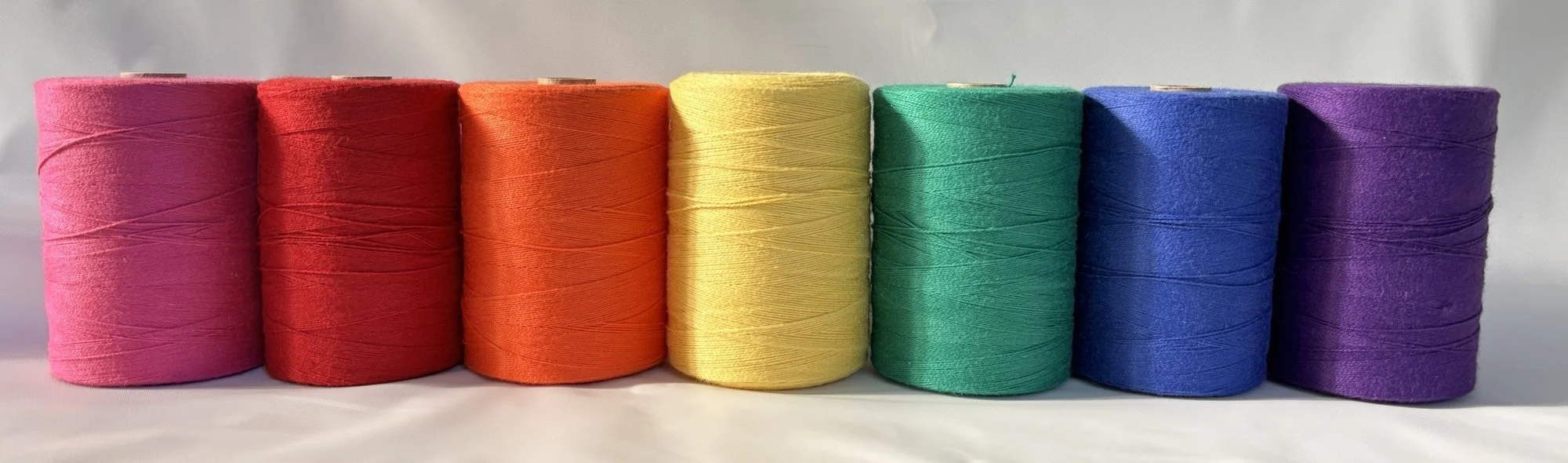
SON: “Mom, didn’t you ever learn about the color wheel?”
My son is a photographer. He asked me this after I got lost in one of his explanations about color. No, I never learned about the color wheel. I moved 8 times when I was a kid and there are some things I missed, especially this lesson in art class.
Choosing colors is one of the best parts of a weaving project, one of the easiest places to second-guess yourself, and sometimes one of the most challenging. With 81 Maurice Brassard colors to pick from, it helps to have a starting point.
I don’t have a natural eye for color, and I clearly have never had any formal art training. So I set out to teach myself. I built a color wheel tool using Maurice Brassard 8/2 cotton colors. I learned a lot and adapted it to share with you, in hopes that it might be a helpful resource.
Basics: primary and secondary colors
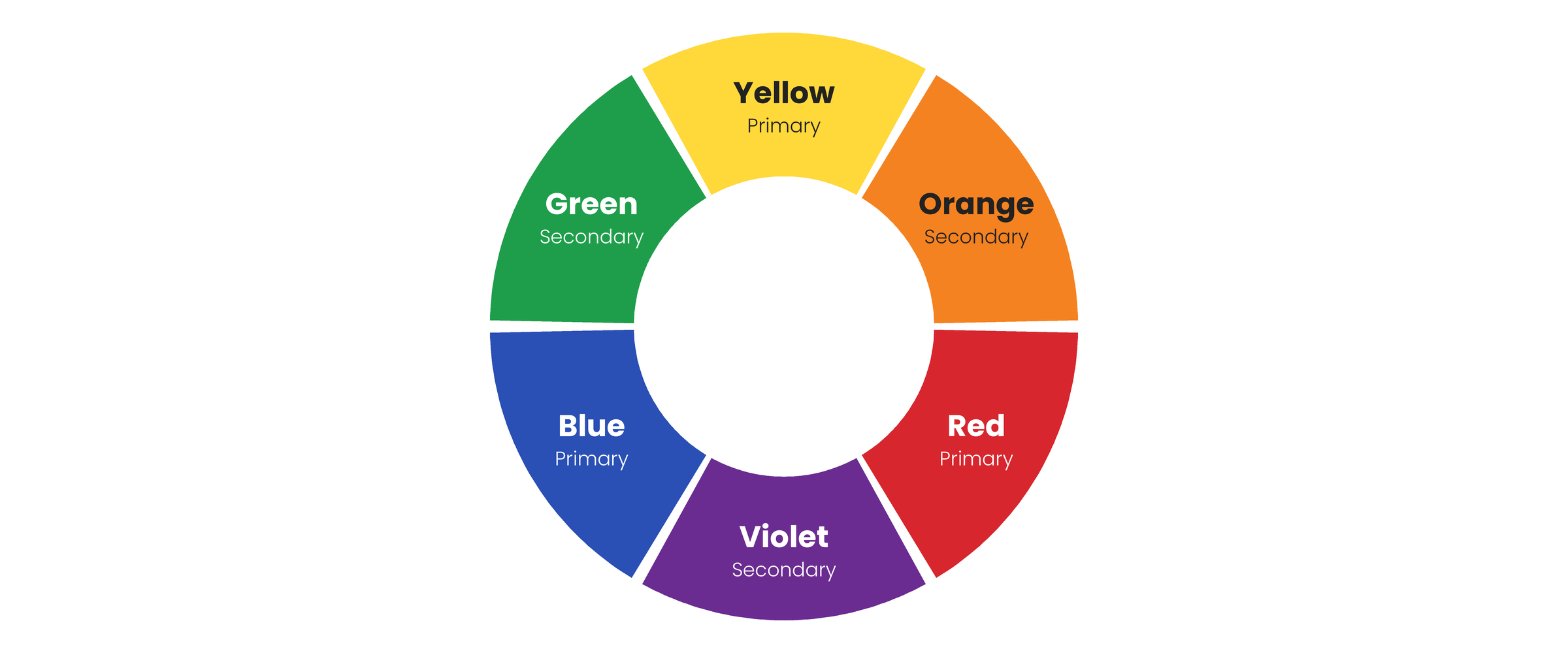
Let’s start with the basics. The three primary colors are red, yellow and blue. Mixing two primaries makes a secondary: orange, green and violet. The tool's 12-color wheel adds six in between, such as red-orange and blue-green.
How the Maurice Brassard color wheel tool works
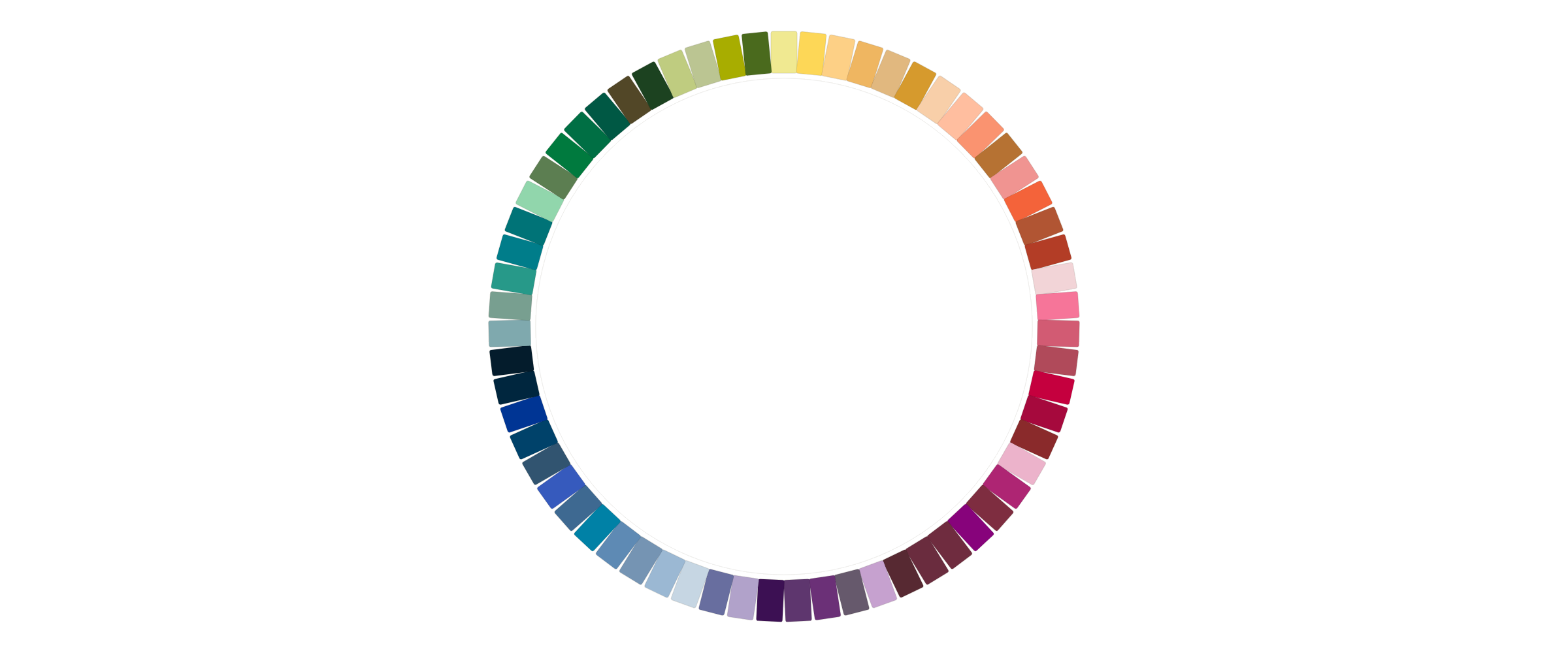
The tool is very interactive. Below is an overview, but the magic is when you try it out yourself. Tap a Brassard color you love, or one already on your shelf. The tool shows how other Brassard colors relate to it, based on color wheel theory:
Complementary: opposites on the wheel, the boldest pairing
Analogous: neighbors, calm and easy to live with
Triadic: three colors evenly spaced around the wheel
Split-complementary: a gentler version of complementary
Tetradic: four colors, two complementary pairs
Warm and cool: which side of the wheel your color sits on, with options from the other side for contrast
Value contrast: how light or dark each color is
Each lesson shows up to three Maurice Brassard options, so you can see the idea in yarn you can actually order. 8/2, 8/4 and 16/2 cotton all come in these same colors.
The importance of color value
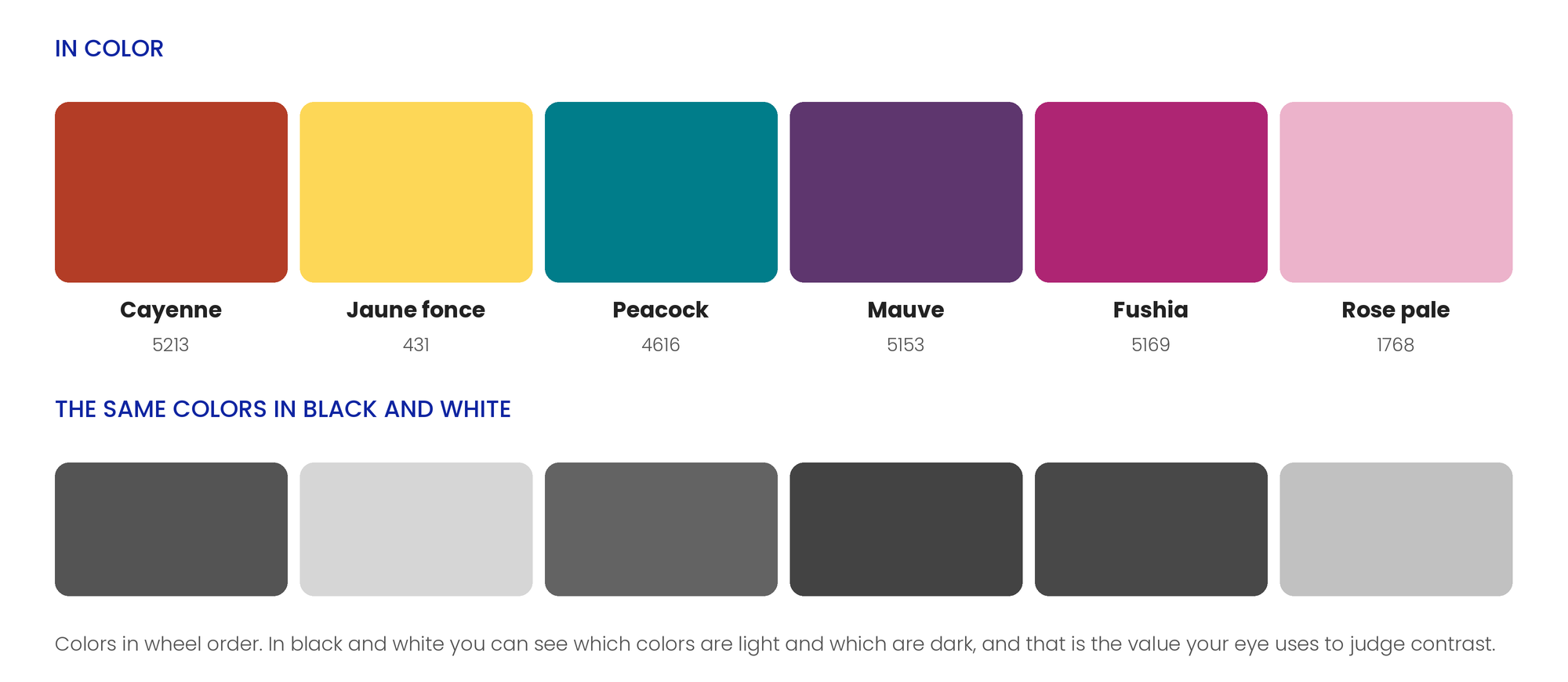
Value means how light or dark a color is. Two colors can look very different side by side and still look equally light once color is taken away, as in a black-and-white photo, so stripes made from them can blend together. The Value Contrast lesson shows your color in black and white against lighter and darker options, including the neutrals, which are not on the wheel.
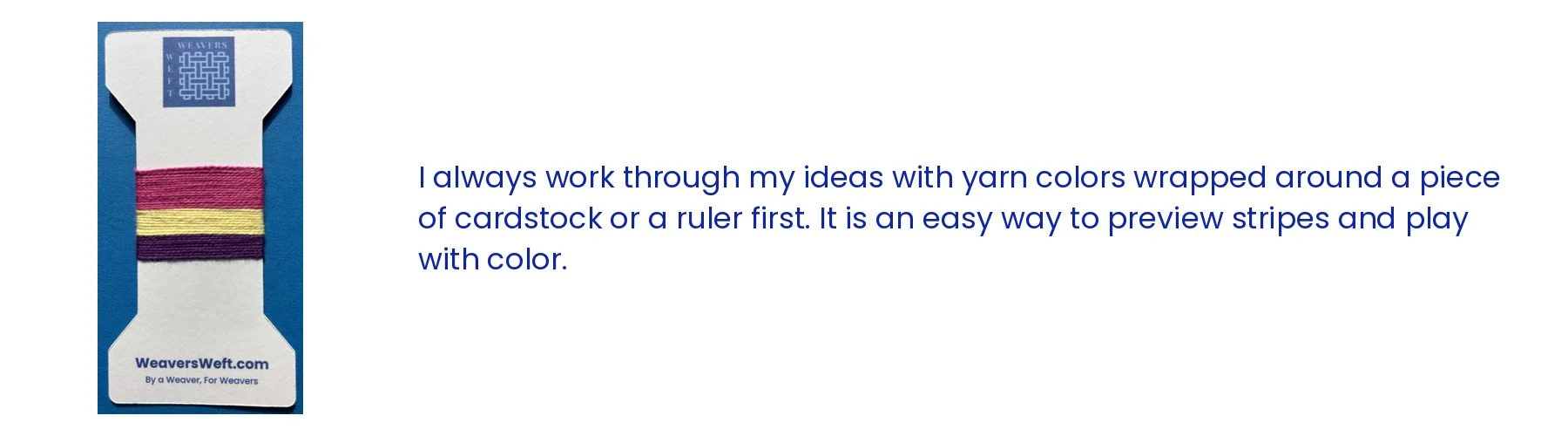
Squint at your wrapped samples. Squinting blurs the details so light and dark show first. Cover neighboring colors, or leave a little space between samples, so nearby colors don't change how you see each other.
A note on the colors
The colors on screen are digital approximations, and monitors and phones all display color a little differently. Think of the tool as a guideline to get you started and show you some options. To see the actual colors in hand, I highly recommend the Maurice Brassard Cotton Color Card, which has actual samples of all 81 colors:
Try it
Open the Color Wheel Tool
Choose a color to start with
Work through the relationships, warm and cool, and the value check
Wrap a small sample before you wind a whole warp. Wrapping previews stripes and value; if you can, weave a small sample to see how the colors behave in cloth
I would love your feedback: does this help you choose colors, and how can I make the tool better? So many of you love the yarn calculator, and this is another one for your toolbox. We can continue to refine it if there are new suggestions. The next tool I am working on should be ready in a few weeks and it will put the color wheel into use and help further preview your warp.
Follow us on Instagram for more about the color wheel.
Can I ask you a favor? Would you share this blog with a few weaving friends. We are a small business and the more we can grow, the more we can add to our assortment and bring you more options. New subscribers can sign up on our website to get the blog in their mailbox, and as a bonus they will get 10% off their first order with Weavers Weft.
Again, thanks for being here.
I’m excited to weave alongside you.


Thrums are the short warp ends left on the loom after you cut off a finished project - too short to weave with, but full of possibility…
Some color inspiration that I reach for:

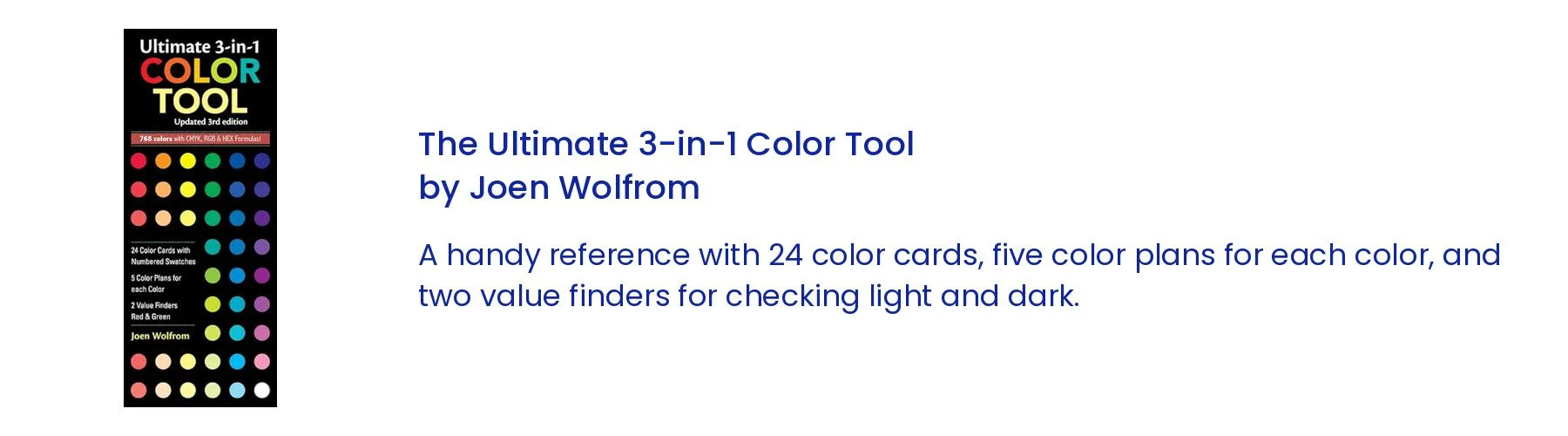
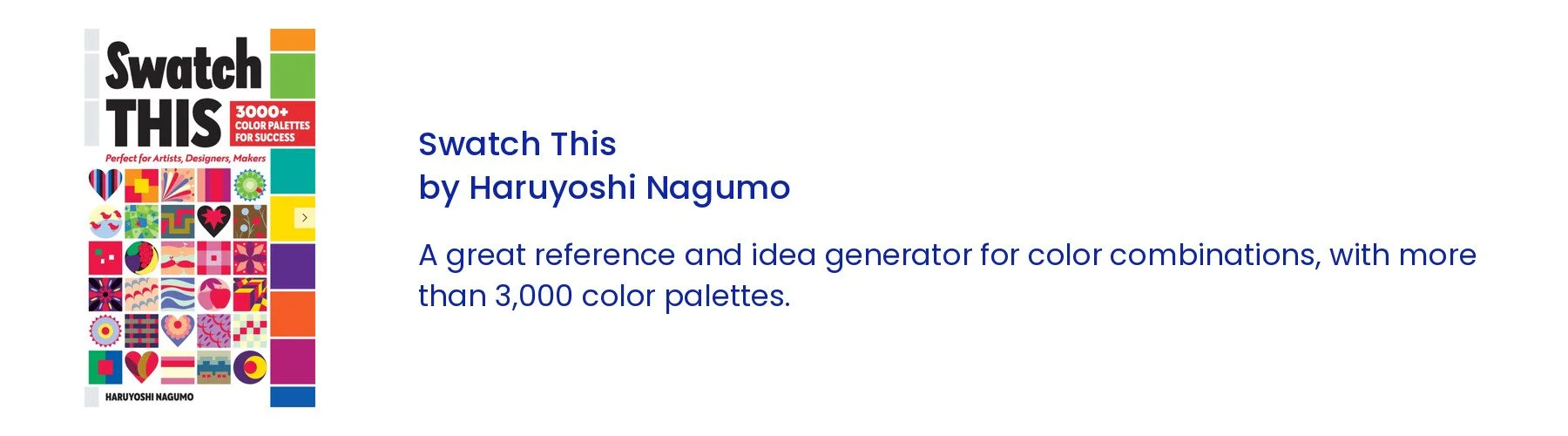
I always encourage shopping at local stores first (especially your local bookstore) but so many of you ask for Amazon links in my DMs. Below are the links from Amazon. Note: These are affiliate links and as an Amazon Associate I earn from qualifying purchases if you decide to purchase from these links.
